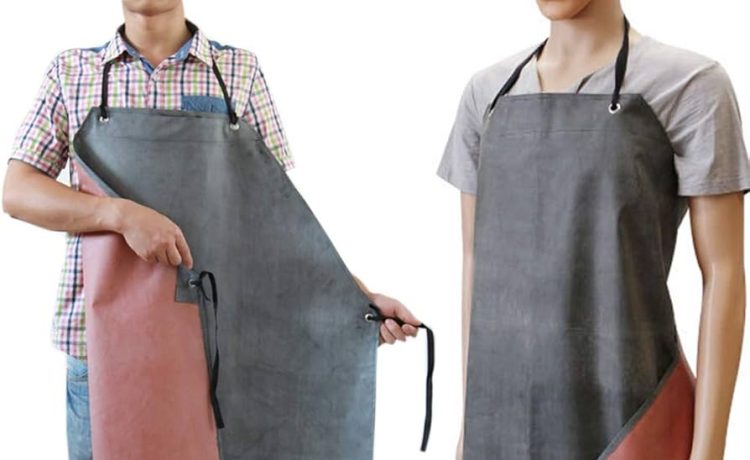
A well-selected rubber apron is more than a mere accessory; it’s a vital piece of personal protective equipment that plays a key role in ensuring safety, hygiene, and efficiency across multiple industries. From bustling restaurant kitchens and scientific laboratories to manufacturing plants and construction sites, the right apron shields workers from spills, contaminants, and physical harm. However, with so many options on the market, choosing the right one can feel overwhelming. This guide will walk you through the essential considerations, materials, and features that define a top-tier rubber apron, helping you make an informed decision that supports both performance and comfort.
Understanding the Role of a Rubber Apron in Various Industries
Understanding the importance of quality rubber aprons across various industries, from culinary settings to laboratories, and even in hazardous environments, necessitates care in selection. These protective garments serve as barriers against unexpected spills, clinging dirt, stubborn stains, and harmful contamination, making them indispensable for tasks requiring meticulous cleanliness and safety.
However, not all rubber aprons are created with equal care or concern for comfort, protection, and productivity. Choosing a thoughtfully crafted apron of high caliber is crucial, as it directly impacts peace of mind, security, and capacity to focus solely on the work at hand without worrying about damage to clothing or hazards to well-being. The ideal apron shields effectively while freeing one to give complete attention to even the most intricate processes.
The Anatomy of a High-Quality Rubber Apron
Materials and Construction
The anatomy of a top-notch rubber apron reveals intricacies that enhance durability, flexibility, and practicality. Often synthesized from resilient rubber or conscientiously sourced alternatives, the material withstands an array of liquids and materials—from plain water to noxious chemicals.
Seamless construction allows unencumbered movement yet still prevents seepage, important for tasks requiring dexterity. Adjustable clasps and ties around the neck and waist customize fit for body type and task, improving both comfort and protection. Reinforced stitching and a range of generous cuts contribute to longevity and accessibility.
The Importance of Durability and Flexibility in Product Choice
Durability and flexibility play important roles in deciding what rubber apron is best. Having an apron that lasts a long time ensures it can withstand the demands of your daily work, whether exposure to sharp objects, heavy machinery, or harsh chemicals.
A durable apron protects against punctures and tears, providing better value over the lifespan. Flexibility refers to a material’s conformity to movement without constraint. An apron allowing freedom to bend, stretch, and move easily enhances productivity, especially in fast-paced environments such as kitchens or workshops.
Thoroughly Examining How and by Whom the Apron Will Be Used
Carefully considering who will wear the apron and what tasks it must perform is essential for determining which characteristics hold priority. This evaluation aids not only in proper selection but also optimizes the user experience.
Some jobs require withstanding heavy loads while others need allowing agile motions, so understanding roles and responsibilities assists in matching demands with features. For instance, a lab technician might prioritize chemical resistance, while a butcher may focus on cut-resistance and ease of cleaning.
Rubber Aprons in the Culinary World and Beyond
In the Kitchen
In the professional kitchen, aprons serve as more than mere fashion—they represent the skilled craft of cooking. Chefs increasingly favor rubber aprons for their waterproof and stain-resistant properties, crucial abilities when working with a variety of ingredients.
However, an effective apron allows unrestricted movement despite continuous heavy use. Adjustable straps and easy-clean surfaces promote customized comfort without compromise. The savvy chef benefits from well-placed pockets, too, keeping small tools and notes close at hand to maximize productivity between prep stations.
Breathability and flexibility enhance the creative process, especially under the pressures of service when seconds count.
Industrial and Laboratory Applications
Outside restaurant walls, rubber aprons play life-saving roles. In construction, laboratories, and manufacturing, protective equipment shields workers from hazardous chemicals and materials.
From selecting aprons that specialize in both safety and comfort to choosing options durable enough to withstand wear from heavy machinery, industrial professionals require versatile solutions. Compliance with regulatory guidelines ensures adequate safety irrespective of the job.
Understanding industry-specific protocols guides workers toward options meeting or exceeding standards. Whether in the kitchen or on the job site, the right apron means the difference between getting the job done and getting it done without incident.
Materials and Features: Exploring the Options for Your Industrial Garment
Material Composition
Understanding one’s requirements is just the beginning. The next critical step is diving deep into the construction materials and attributes that can significantly boost performance. The quality of components used makes an enormous difference in how the protective clothing functions and survives over the long haul.
Some of the most common materials used include:
- Natural Rubber: Offers excellent elasticity and basic chemical resistance.
- Neoprene: Better chemical and oil resistance, often used in laboratories.
- PVC-Coated Fabrics: Extremely durable and cost-effective.
Sustainable Versus Synthetic: Striking an Appropriate Balance
When opting for eco-friendly or artificial industrial clothing, values and work settings largely dictate the decision. Rubber garments created from natural substances or reused parts typically resonate with those caring for the environment, providing a greener choice without compromising quality or functionality.
In contrast, synthetic versions are generally more resilient to wear and withstand rigorous industrial applications better, often offering superior impermeability and flexibility when facing harsh chemicals. Consequently, selecting protective clothing involves weighing environmental impact alongside durability and worksite demands.
Finding that equilibrium can optimally serve both practical needs and principles.
Additional Features: Pockets, Straps, and Safety Standards
When crafting protective wear, thoughtful touches can enhance both usability and safety. Foremost among additions are pockets of various sizes, tucked securely inside or along hems; they maintain ready access to necessities without hampering movement or inviting unwanted debris.
Adjustable connectors at neck and waist ensure snug, comfortable fits for bodies of all dimensions, allowing unhindered focus on tasks at hand regardless of build. Never should one overlook important safeguards; seek out a design demonstrating sturdiness against anticipated dangers like cutting, heat, or chemicals through approved evaluation standards where hazards exist.
Such assurance could mean the margin between wellbeing and injury in high-risk roles.
Style Meets Function: Choosing the Perfect Aesthetic
Color Choices That Reflect Your Personality and Profession
The color and design of your rubber apron speak volumes about your personal style and professional demeanor. For instance, a brightly colored apron in a culinary setting may indicate a lively, energetic personality, while more muted tones could resonate with those preferring classic elegance.
Similarly, designated industrial colors increase visibility, adding an extra layer of safety while promoting one’s professional image. Additionally, colors’ psychological impacts can influence workplace morale. Bright colors potentially improve mood and enthusiasm, whereas muted tones may encourage calm focus.
Ultimately, consider both functional and aesthetic aspects when selecting your apron.
Customizing Your Apron: Personal Touches for a Unique Look
Customization offers a wonderful chance to personalize your rubber apron, distinguishing you from peers and adding individual flair. Various brands now offer custom logo, monogram, or design printing directly onto aprons, crafting one-of-a-kind pieces feeling both personal and professional.
This especially benefits those in business, as branded aprons can boost corporate identity while fostering a sense of unity among teammates. Beyond aesthetics, contemplate using varied textures or finishes on certain areas for distinctive panache while maintaining the rubber material’s essential protective qualities.
A customized apron represents more than appearance; it’s about cultivating belonging, pride, and distinction in your work.
Conclusion: The Value of Choosing the Right Rubber Apron
In conclusion, selecting the ideal rubber apron is more than just grabbing one off the shelf; it necessitates an intricate assessment taking into account your unique needs, material compositions, and functional prerequisites for your diverse duties.
By expending the time and initiative to explore alternatives, you not only boost your work experience but also uphold security and professionalism in any industry you participate in. Whether you are a cook committed to gastronomical flawlessness or a technician dedicated to protection in hazardous environments, procuring the appropriate rubber apron will make a substantial difference in your daily operations—guaranteeing that you are well-outfitted for any challenge you may face.