

The landscape of the American food service industry has undergone a monumental shift over the past decade. For generations, dining out was largely divided into two distinct experiences. On one end of the spectrum was fast food, which prioritized speed, low cost, and predictability over health and atmosphere. On the other end sat fine dining, a formal, expensive, and time-consuming affair reserved strictly for special occasions.
Today, the boundaries between these rigid categories have completely blurred. The catalyst for this transformation is the explosive rise and sustained popularity of casual dining restaurants. Offering a unique middle ground that pairs a relaxed, unpretentious atmosphere with full-service hospitality and moderately priced menus, casual dining has become the definitive anchor of modern food culture. As consumer priorities pivot toward experiential value, technological convenience, and flexible socializing, casual dining establishments continue to capture the largest share of household restaurant spending across the United States.
The Economic Equation of Modern Value
To understand why casual dining has achieved such widespread popularity, one must analyze the shifting economics of eating out. Recent macroeconomic pressures have driven substantial price increases across all sectors of the hospitality industry. Interestingly, this inflation has narrowed the historic price gap between limited-service fast-food chains and full-service casual dining establishments.
As the cost of a standard drive-thru combo meal has steadily climbed, consumers have begun recalculating the value proposition of their dining dollars. When a quick meal on the go approaches a similar price point to a sit-down dinner, the economic justification for fast food begins to erode.
Casual dining restaurants have capitalized on this exact moment by offering a vastly superior price-to-value ratio. For just a small financial premium over a fast-food transaction, customers receive table service, high-quality ingredients cooked to order, customized beverage options, and a dedicated space to sit and unwind. This closing price gap has effectively democratized full-service dining, making casual sit-down meals an accessible weekly habit rather than an occasional luxury.
The Craving for Experiential and Social Spaces
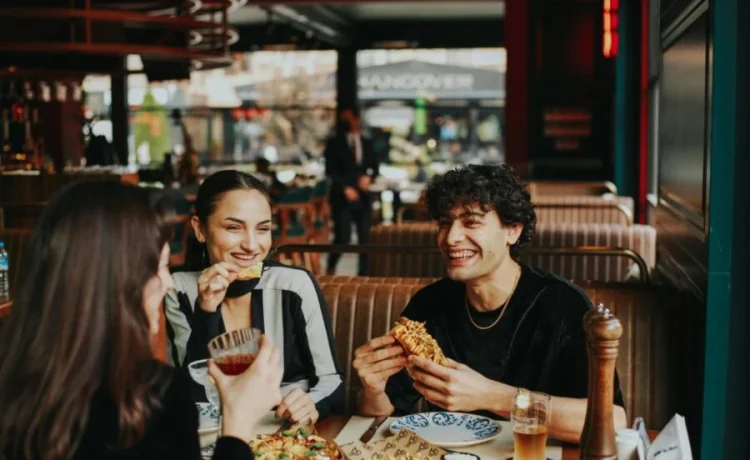
Human beings do not visit restaurants solely to consume calories; they seek connection, environment, and a temporary escape from domestic routines. The contemporary consumer, particularly within the millennial and Generation Z cohorts, places an immense premium on experiences over material possessions. Casual dining restaurants are engineered specifically to meet this psychological need.
Unlike fast-food outlets designed mechanically to move customers out of the building as quickly as possible, casual dining layouts encourage lingering and social interaction.
Elements that make casual dining spaces highly attractive:
-
Themed and local ambiance: Modern casual chains and independent operators reject cookie-cutter designs. They utilize warm lighting, local artwork, exposed brick, and architectural elements that reflect the neighborhood character.
-
Interactive dining features: Many establishments integrate open kitchens where guests can watch chefs toss pizza dough, sear steaks, or assemble vibrant noodle bowls, turning meal preparation into visual entertainment.
-
The focal point bar: A well-designed bar area serves as a communal hub within the restaurant, allowing solo diners or small groups to enjoy premium cocktails, craft beers, and shared small plates without committing to a formal booth.
This focus on environment transforms a simple dinner into a memorable social event, making casual dining the default choice for family reunions, casual dates, and post-work happy hours.
Menu Diversification and Dietary Inclusivity
The modern American family or friend group is rarely uniform in its dietary preferences. On any given evening, a single table may include a vegan, someone adhering to a low-carbohydrate regimen, an individual with strict gluten sensitivities, and a traditional meat-and-potatoes lover. In the past, matching these disparate needs with a single restaurant menu was nearly impossible.
Casual dining restaurants have solved this dilemma through aggressive menu diversification and culinary inclusivity. Because their kitchen setups are far more sophisticated than those of quick-service operations, casual dining chefs can easily accommodate custom requests, swap ingredients, and offer sprawling menus that span multiple culinary genres.
How modern casual menus drive consumer loyalty:
-
Global flavor profiles: Menus frequently blend traditional American comfort foods with global accents, offering street tacos, artisan flatbreads, Asian-inspired bowls, and Mediterranean salads under a single roof.
-
Evolving health options: Operators have moved beyond offering a token side salad. They now feature nutrient-dense grain bowls, plant-based protein alternatives, and transparent caloric indexing to support health-conscious lifestyles.
-
Flexible portioning: The rise of shared plates, customizable combo platters, and downsized appetizer portions allows diners to control their spending and caloric intake based on their immediate appetite.
Seamless Technology Integration Behind the Scenes
While the public face of casual dining remains deeply rooted in traditional hospitality, the operational backbone of the industry has been completely revolutionized by technology. The most successful casual dining brands have seamlessly woven digital tools into their operations to eliminate customer friction points without sacrificing the human element of service.
The widespread adoption of tabletop tablets and QR-code ordering systems allows guests to scan menus, request refills, and pay their bills instantly whenever they are ready, bypassing the frustration of waiting for a busy server to bring the check. On the backend, advanced kitchen display systems and artificial intelligence algorithms analyze incoming orders in real time. This ensures that a medium-rare steak and a delicate seafood dish finish cooking at the exact same moment, guaranteeing optimal temperature and quality upon arrival at the table.
Furthermore, casual dining has masterfully conquered the off-premises market. By optimizing digital ordering applications and dedicating specific parking spaces or interior counters for takeout orders, these restaurants allow consumers to enjoy restaurant-quality meals in the comfort of their living rooms, effectively competing with delivery-native platforms.
The Redefinition of Post-Work Culture
The nature of employment has changed dramatically, with hybrid schedules and remote workspaces separating colleagues physically. As a result, the historic ritual of the office happy hour has evolved. Casual dining restaurants have stepped into the void, acting as the new community living room.
Because these establishments offer relaxed dress codes, flexible seating configurations, and transitional menus that shift seamlessly from lunch to late-night snacks, they provide the ideal low-pressure environment for professional networking and social decompression. By blending affordability with a sense of occasion, the casual dining sector has successfully solidified its place as an indispensable component of the modern cultural fabric.
Frequently Asked Questions
What is the primary operational distinction between fast-casual and casual dining restaurants?
Fast-casual restaurants operate on a counter-service model where customers order and pay at a register before seating themselves, emphasizing speed and customization. Casual dining restaurants, by contrast, are traditional full-service establishments where a server guides guests through the meal, takes orders at the table, delivers food sequentially, and manages the bill at the conclusion of the experience.
How do casual dining restaurants manage to maintain lower menu prices than fine dining establishments?
Casual dining chains achieve affordability through massive supply chain scale, streamlined kitchen preparation methods, and centralized commissary systems. By purchasing ingredients in immense volumes and designing menus around versatile, cross-functional items, they lower their baseline food costs and pass those operational savings directly to the consumer.
Why are mocktails and low-alcohol beverages suddenly dominating casual dining drink menus?
A significant demographic shift toward health, wellness, and mindful consumption has led younger consumers to reduce their alcohol intake. Casual dining operators have responded by elevating their non-alcoholic beverage programs, utilizing premium botanicals, fresh juices, and house-made syrups to create complex mocktails that offer the sophistication of a craft cocktail without the alcohol content.
How has the rise of third-party delivery apps impacted the physical layout of casual dining dining rooms?
To accommodate the massive influx of delivery drivers without disrupting the ambiance for dine-in guests, many casual dining restaurants have reconfigured their floor plans. Modern designs frequently feature completely separate entrance doors, dedicated pickup counters, and isolated staging zones near the kitchen specifically for third-party courier traffic.
What measures do casual dining chains take to ensure flavor consistency across hundreds of different locations?
Consistency is achieved through meticulous recipe standardization, mandatory kitchen training programs, and the use of pre-portioned, par-cooked components supplied by centralized culinary hubs. This highly regulated framework ensures that a signature dish ordered in Seattle tastes identical to the exact same item served in Miami.
How do casual dining restaurants utilize customer loyalty programs to drive repeat business?
Modern casual dining loyalty programs utilize artificial intelligence to analyze individual purchasing habits and dining schedules. Instead of offering generic discounts, these systems send highly personalized text messages or email alerts featuring tailored rewards, exclusive birthday menu items, and points multipliers on the specific days of the week a particular customer is statistically most likely to dine out.


