

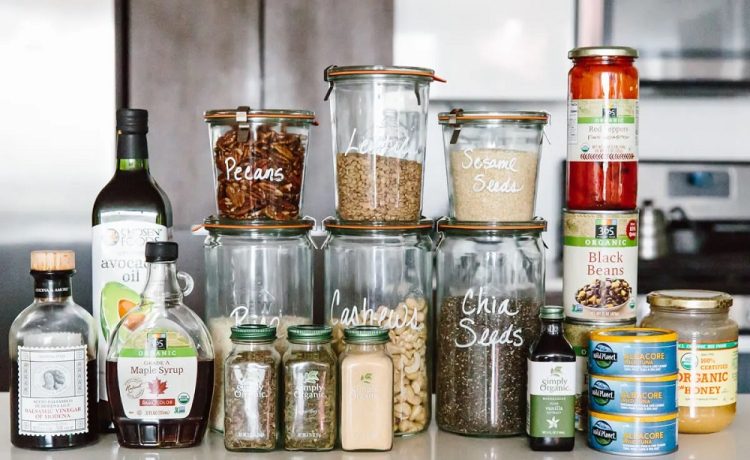
A well-stocked pantry is the backbone of efficient, stress-free home cooking. It transforms the question of what to make for dinner from a daily chore into a creative opportunity. When your cabinets are filled with versatile, long-lasting ingredients, you are never truly out of options, even when the refrigerator looks empty.
Building a reliable pantry is not about hoarding endless specialty ingredients that you will only use once. Instead, it focuses on gathering a strategic collection of foundation ingredients that can take multiple culinary directions. This guide highlights the core pantry staples every home cook should keep on hand to build flavor, ensure texture, and pull together nutritious meals at a moment’s notice.
The Foundation: Grains, Legumes, and Starches
Grains and starches provide the caloric foundation and structural base for a vast majority of global dishes. These ingredients boast an exceptionally long shelf life and serve as the perfect canvas for bolder flavors.
Long-Lasting Rice and Grains
-
Long-Grain White and Brown Rice: White rice cooks quickly and serves as a neutral base for stir-fries, curries, and burritos. Brown rice offers an earthier flavor, more fiber, and a satisfying, chewy texture.
-
Dried Pasta: Keeping a variety of pasta shapes ensures you can match them to the correct sauce types. Long strands like spaghetti work beautifully with smooth, oil-based or tomato sauces, while tubular shapes like rigatoni catch chunkier meat and vegetable sauces.
-
Quinoa: This ancient grain cooks in under twenty minutes and stands out as a complete plant-based protein, making it excellent for quick grain bowls, cold salads, or as a substitute for morning oatmeal.
-
Rolled Oats: Beyond their breakfast utility, oats function as a fantastic binder for meatloaves, a rustic coating for baked proteins, or the base for wholesome baked goods.
Canned and Dried Legumes
Legumes offer an affordable, shelf-stable source of protein and dietary fiber. Keeping a mix of both dried and canned varieties gives you flexibility based on how much preparation time you have.
-
Canned Chickpeas: Exceptionally versatile, chickpeas can be blended into creamy hummus, roasted with spices for a crunchy snack, or tossed into stews.
-
Canned Black and Kidney Beans: Essential for quick chili recipes, taco nights, or mixing with rice for a classic Caribbean side dish.
-
Dried Red or Green Lentils: Unlike other dried beans, lentils do not require pre-soaking and cook quickly. Red lentils break down beautifully to thicken soups, while green lentils hold their shape for robust salads.
Flavor Amplifiers: Oils, Vinegars, and Condiments
Without fat and acid, even the high-quality grains and proteins taste flat and uninspiring. These liquid staples balance flavors, create emulsions, and add necessary brightness to your cooking.
Essential Cooking Fats
-
Extra Virgin Olive Oil: Reserved primarily for raw applications, low-heat cooking, and finishing dishes. Its distinct fruity, peppery profile shines in salad dressings or drizzled over warm bread.
-
Neutral Cooking Oil: Oils with high smoke points, such as canola, grapeseed, or avocado oil, are mandatory for high-heat cooking methods like searing, sautéing, and roasting. They transfer heat efficiently without smoking or altering the food’s flavor.
Acidic Components
Acid balances salt and cuts through heavy, fatty ingredients, lifting the overall profile of a dish.
-
Apple Cider Vinegar: Offers a fruity, mild acidity that works beautifully in homemade barbecue sauces, marinades, and quick-pickled onions.
-
Red Wine Vinegar: Ideal for Mediterranean dressings, pan sauces, and deglazing skillet surfaces after cooking meats.
-
Distilled White Vinegar: A sharp, strong acid best suited for pickling brines or neutralizing heavy odors during preparation.
Concentrated Umami Builders
-
Soy Sauce or Tamari: Delivers a deep, salty wave of umami that enhances marinades, stir-fries, and even non-Asian gravies or stews.
-
Tomato Paste: This concentrated paste provides a rich, savory backbone to Italian sauces, chilis, and braises. For the best flavor, always sauté the paste in hot oil until it turns deep brick-red before adding liquids.
-
Dijon Mustard: Beyond its role as a condiment, Dijon acts as a natural emulsifier, binding oil and vinegar together to create smooth, cohesive vinaigrettes.
The Spice Rack: Essential Herbs and Seasonings
Spices allow you to travel the culinary world without ever leaving your kitchen. While individual preferences vary, a core set of dried spices forms the basis of countless regional profiles.
Ground and Whole Spices
-
Kosher Salt: The absolute most important ingredient in any kitchen. Kosher salt has larger grains than standard table salt, making it easier to pinch and control, reducing the risk of over-salting.
-
Whole Black Peppercorns: Pre-ground black pepper loses its volatile aromatic oils quickly, leaving behind mostly heat. Grinding whole peppercorns fresh introduces a bright, woodsy aroma.
-
Garlic and Onion Powder: These powders distribute savory flavor evenly throughout dry rubs and batters where fresh ingredients would burn or introduce unwanted moisture.
-
Ground Cumin and Smoked Paprika: Cumin adds an earthy, warm undertone vital for Mexican, Indian, and Middle Eastern profiles. Smoked paprika contributes a rich, vibrant color and a gentle, wood-fired smokiness.
Canned Goods and Baking Essentials
Canned goods capture seasonal produce at its peak and store it safely for years, making them invaluable for quick meal assembly.
Tomatoes and Broths
-
Canned Crushed or Whole Peeled Tomatoes: The starting point for marinades, classic marinara, shakshuka, and comforting tomato soup. Whole peeled plum tomatoes generally offer the highest quality and can be crushed easily by hand.
-
Low-Sodium Chicken or Vegetable Broth: A flavorful cooking liquid superior to plain water for simmering rice, thinning out rich sauces, or building the base of a quick vegetable soup.
The Baking Corner
-
All-Purpose Flour: The ultimate kitchen workhorse used for baking bread, coating proteins for frying, or creating a roux to thicken gravies.
-
Baking Soda and Baking Powder: Chemical leaveners required to make pancakes, biscuits, and quick breads rise.
-
Granulated and Brown Sugar: While primarily sweeteners, sugar also aids in the browning and caramelization of savory glazes and meat rubs.
Smart Storage for Pantry Longevity
Owning the right staples is only half the battle; you must store them correctly to prevent spoilage, stale flavors, and pests.
Keep your pantry space cool, dark, and dry. Direct sunlight and fluctuating heat from nearby appliances like ovens cause oils to turn rancid and dried spices to lose their potency quickly.
Transfer opened bags of grains, flours, and sugar into airtight glass or heavy plastic containers. This simple habit keeps moisture out and forms an impenetrable barrier against common kitchen pests like pantry moths and weevils. Label your containers with the purchase date to maintain an accurate first-in, first-out rotation system.
Frequently Asked Questions
How long can dried spices actually be kept before they go bad? Dried spices do not typically spoil or become dangerous to consume, but they do lose their flavor potency over time. Ground spices generally remain at peak quality for roughly six to twelve months, while whole spices like peppercorns or cumin seeds can retain their flavor for up to two to three years. To check if a spice is still viable, rub a small amount between your fingers; if the aroma is faint or absent, it is time to replace it.
What is the difference between kosher salt and standard table salt when cooking? Table salt features dense, highly uniform crystals that often contain added iodine and anti-caking agents, which can introduce a subtle metallic taste. Kosher salt has larger, hollow flakes that dissolve rapidly and adhere better to the surface of foods. Because of the size difference, a tablespoon of table salt contains nearly twice the salting power of a tablespoon of kosher salt, meaning they cannot be substituted in equal volume without over-salting the dish.
Why does extra virgin olive oil sometimes turn cloudy or solid in storage? If your pantry runs particularly cold during winter months, or if you store your olive oil in the refrigerator, the natural monounsaturated fats within the oil will begin to solidify and create a cloudy appearance. This is entirely normal and does not harm the quality of the oil. Simply move the bottle to a warmer spot at room temperature, and it will return to its clear, liquid state within a short time.
Can I use canned beans straight out of the can, or must they be rinsed first? While you can technically eat them straight from the can, it is highly recommended to drain and rinse them thoroughly under cold running water. The liquid inside the can is packed with excess sodium, metallic residue from the canning process, and starches that can make the beans taste overly chalky and affect the texture of your final dish.
How do I know if my baking powder has lost its effectiveness while sitting in the pantry? Baking powder loses its chemical potency over time, especially if exposed to ambient humidity. To test its viability before starting a recipe, stir half a teaspoon of the baking powder into a small bowl containing a few tablespoons of warm water. If it fizzes and bubbles vigorously right away, it is still active and safe to use. If it remains flat, it has expired and will fail to make your baked goods rise.
What is the best way to utilize the leftover liquid from a can of chickpeas? The liquid found inside canned chickpeas is known as aquafaba. Due to its unique mix of starches and proteins, it behaves remarkably like egg whites when whipped. You can use aquafaba as a vegan substitute to create light meringues, homemade mayonnaise, or to emulsify salad dressings and add a rich texture to soups.
Should flours and whole grains be stored in the freezer to extend their shelf life? Standard all-purpose white flour stores perfectly well at room temperature in an airtight container. However, whole-grain flours, brown rice, and nut flours contain the oily germ layer of the grain, which can spoil and turn bitter within a few months. Storing these specific whole-grain items in the freezer stops this degradation process completely, keeping them fresh for up to a year.


