

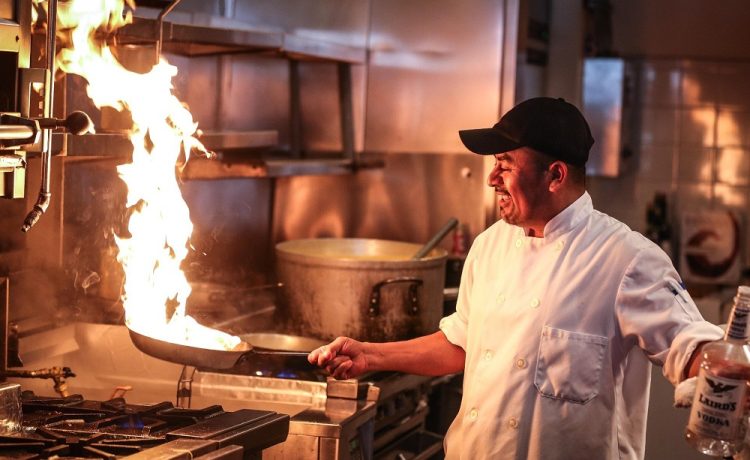
The culinary industry is famously demanding, requiring long hours, intense physical stamina, and precise technical skills. While mastering knife cuts, understanding classic French mother sauces, and maintaining kitchen organization are fundamental building blocks, these technical proficiencies only carry a professional so far. In a highly saturated and intensely competitive market, creativity serves as the true catalyst for sustained career growth, industry recognition, and long-term financial success.
Creativity distinguishes a line cook who merely executes a recipe from an executive chef who defines a restaurant identity. The modern dining landscape values innovation and unique sensory experiences above all else. This detailed examination explores how creative thinking transforms a standard cooking path into an extraordinary and influential culinary career.
Defining Culinary Creativity
Before looking at its career impacts, it is important to clarify what creativity means in a professional kitchen environment. It is not simply about throwing random ingredients together or designing eccentric plates that lack balance.
True culinary creativity is the intentional application of imagination to solve culinary problems, improve old traditions, and create memorable experiences for guests. It requires a profound understanding of food science, flavor chemistry, and cultural history. A chef must know exactly how ingredients interact under different conditions before they can successfully subvert expectations. Creativity is the art of taking known elements and arranging them in a way that feels entirely new, harmonious, and emotionally resonant.
Differentiating in a Crowded Marketplace
The restaurant industry is notoriously volatile, with thousands of new establishments opening globally each year. For a chef looking to establish a name or attract investors for their own venture, standing out is a business necessity.
Building a Unique Signature Style
A chef who relies entirely on standard menu items will find themselves competing solely on price and convenience. Creative chefs develop a signature culinary voice that acts as a personal brand.
This signature style could manifest as a unique fusion of two disparate cultures, a hyper-focused dedication to a specific cooking technique like open-fire cooking, or an artistic approach to plating that makes every dish instantly recognizable on digital media platforms. When a chef possesses a clear, creative identity, patrons do not just go out for food; they go specifically to experience that chef’s unique vision.
Attracting Media Attention and Industry Accolades
Culinary critics, food journalists, and prestigious award committees like the James Beard Foundation or the Michelin Guide are constantly searching for concepts that push the boundaries of gastronomy. They rarely reward compliance or standard execution.
Creative risk-taking catches the attention of industry tastemakers. Whether it is an innovative zero-waste menu concept or the reinvention of a humble childhood comfort food into a high-end masterpiece, creative concepts generate organic press coverage that can skyrocket a chef’s career progression.
Navigating Supply Chain Constraints and Crises
While creativity is often associated with the artistic design of a menu, it is equally vital for operational problem-solving behind the scenes. Kitchen environments are dynamic and unpredictable, demanding immediate adaptations.
Solving Ingredient Shortages creatively
Global supply chains fluctuate, weather patterns disrupt crop yields, and seasonal availabilities change rapidly. A rigid chef panics when a core ingredient becomes unavailable or triples in price. A creative chef views these constraints as an opportunity to innovate.
-
Asset Substitution: Replacing an expensive imported protein with a beautifully prepared, locally sourced cut that yields a better profit margin while intriguing the guest.
-
Menu Agility: Shifting the focus of a dish entirely based on what the morning market offers, ensuring the kitchen always serves peak-quality produce.
-
Waste Reduction: Finding inventive ways to utilize vegetable trimmings, animal bones, and leftover herbs to create complex broths, oils, or powders, reducing food waste and lowering food costs.
Adapting to Economic Changes
During economic downturns, consumers tend to cut back on fine dining. Creative chefs manage these shifts by adjusting their service models without sacrificing their culinary standards. This might involve developing casual pop-up concepts, curating high-end meal kits for home preparation, or restructuring a menu to offer affordable luxury through clever ingredient pairing.
Fostering Staff Retention and Kitchen Culture
The high turnover rate in commercial kitchens is a constant challenge for restaurant management. The atmosphere of a kitchen is heavily influenced by the leadership style of the head chef, and a creative working environment plays a major role in keeping staff engaged.
Inspiring the Next Generation of Cooks
Talented young cooks do not want to work in kitchens where they are treated like assembly line robots, mindlessly repeating the exact same tasks day after day. They gravitate toward chefs who inspire them and provide opportunities for learning.
A creative chef invites their kitchen staff to participate in the developmental process. By hosting collaborative menu workshops, encouraging line cooks to suggest components for daily specials, and explaining the creative rationale behind new dishes, a chef fosters a deeply rewarding educational environment. This sense of ownership and creative fulfillment significantly boosts team morale and loyalty.
Cultivating Long-Term Career Longevity
A culinary career is a marathon, not a sprint. The physical toll of working on your feet for decades can eventually limit a chef’s ability to pull grueling fourteen-hour shifts on the line. Creativity provides the career pivot points necessary to transition into sustainable, long-term roles within the wider food industry.
Diversifying Income Streams
When a chef’s primary asset is their creative mind rather than just their physical labor, numerous lucrative opportunities open up outside the traditional restaurant grid.
-
Culinary Consulting: Assisting major hospitality brands, hotel chains, or food manufacturers in designing new product lines or restructuring their menu concepts.
-
Media and Publishing: Writing unique cookbooks, hosting educational cooking shows, or contributing as a culinary expert for digital media outlets.
-
Private Event Curation: Organizing high-end, immersive pop-up dinners and intimate culinary experiences for corporate clients and private individuals.
Frequently Asked Questions
Can a chef be successful with great technical skills but low creativity?
Yes, it is possible to build a stable career based purely on exceptional technical skill and operational efficiency. Many successful chefs excel as executive sous chefs or corporate culinary directors, where the primary focus is executing an established menu consistently, managing food costs, and organizing massive teams. However, achieving elite industry status, opening highly acclaimed personal venues, or shifting industry trends generally requires a high degree of creativity.
How can a young chef develop their culinary creativity early in their career?
Young chefs can cultivate creativity by intentionally expanding their sensory palate. This includes dining at diverse ethnic restaurants, studying food science books to understand the chemical reactions behind cooking, and experimenting with unfamiliar ingredients at home. It is also beneficial to work under several different chefs with contrasting philosophies to see how various creative minds approach the same basic ingredients.
Does high creativity in a chef ever conflict with restaurant profitability?
It can if the creativity is not balanced with financial discipline. If a chef focuses entirely on complex, labor-intensive techniques or excessively rare ingredients without calculating food costs and labor times, the restaurant will struggle to remain profitable. The most successful chefs practice disciplined creativity, ensuring their innovations align with the kitchen’s operational capabilities and target budget.
How does a chef maintain their creative spark after years of repetitive kitchen work?
Overcoming creative burnout requires step-away time and external inspiration. Successful chefs travel to experience different cultures, collaborate with artisans outside the food world like potters or painters, and research historical cookbooks to rediscover forgotten techniques. Stepping out of the daily kitchen routine is vital to refresh the mind.
What role does plating presentation play in culinary creativity?
Plating is the visual introduction to a dish and acts as a vital creative outlet. It allows a chef to play with geometry, color contrast, and negative space to set a mood before the guest even takes a bite. However, creative plating must always serve the flavor; elements should never be added to a plate purely for looks if they do not complement the overall taste and texture of the dish.
How do creative chefs handle negative feedback on an experimental dish?
Creative professionals view negative feedback as valuable data rather than a personal insult. If a dish fails to resonate with guests, a successful chef analyzes whether the issue lies in faulty execution, poor balance of flavors, or a lack of conceptual clarity. They use that feedback to refine the recipe or gracefully retire the concept and move on to the next innovation.


