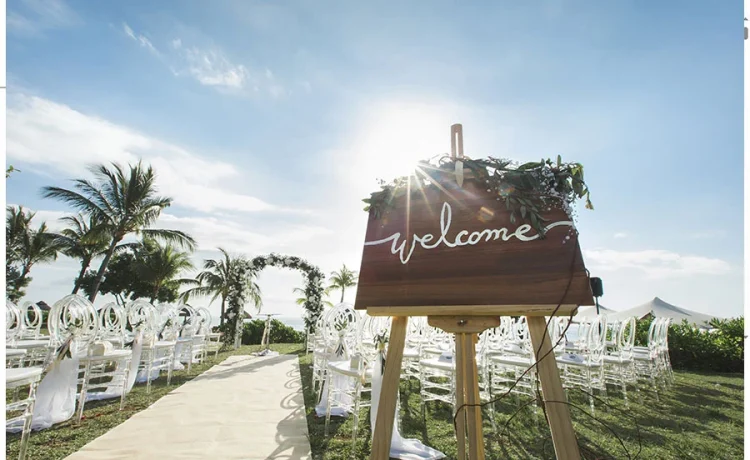
Outdoor weddings offer breathtaking backdrops, natural lighting, and a romantic atmosphere that indoor venues struggle to replicate. However, behind the scenic views lies a complex web of logistical challenges. Unlike a traditional banquet hall, an outdoor setting lacks permanent infrastructure, dedicated kitchen spaces, and reliable climate control.
Executing a flawless dining experience in a field, on a beach, or within a forest requires meticulous logistical planning. From power generation to food safety regulations, every detail must be mapped out months in advance. This comprehensive guide details the essential components of outdoor wedding catering logistics to ensure your off-site culinary operation runs smoothly.
Site Assessment and Layout Infrastructure
The first step in planning outdoor catering logistics is a comprehensive site inspection. A caterer cannot treat an open space like a standard kitchen. The natural terrain dictates how food is transported, prepared, and served.
Evaluating Access and Terrain
Before designing a menu, the catering team must analyze the physical limitations of the venue. Large catering trucks require wide, stable paths to load and unload heavy equipment.
-
Driveway Clearance: Low-hanging branches or narrow gates can block box trucks.
-
Ground Stability: Wet grass, sand, or loose gravel can cause heavy vehicles to get stuck.
-
Distance to Service Area: The distance between the unloading zone, the field kitchen, and the guest tables directly impacts labor requirements and food temperature control. Long walks require more staff and specialized transport equipment like covered utility carts.
Designing the Field Kitchen
An outdoor caterer must construct a temporary, fully functional kitchen on-site. This space is typically housed inside a dedicated catering tent, hidden away from the guests’ line of sight using pipe and drape or natural landscaping.
The catering tent must be pitched on flat, level ground to ensure that portable ovens and prep tables remain stable. It should feature distinct zones for raw ingredient storage, hot food preparation, plating, and dirty dish breakdown. Proper lighting inside this tent is crucial, especially as evening sets in, so chefs can safely handle knives and inspect food quality.
Power and Water Utilities
Indoor venues provide electricity and running water at the flip of a switch. In an outdoor setting, the catering team must source and manage these utilities independently to prevent catastrophic equipment failures.
Calculating Electrical Load
Commercial catering equipment consumes vast amounts of electricity. Standard household outlets or small consumer generators will instantly trip breakers if forced to power convection ovens, hot holding cabinets, and commercial coffee makers simultaneously.
Logistical planners must audit the electrical requirements of every piece of equipment, measured in amps and watts. Based on this data, the team must secure tow-behind whisper-quiet generators. It is standard operational practice to utilize separate generators for the catering kitchen and the entertainment team to avoid power fluctuations that could disrupt the sound system or cause kitchen blackouts.
Sourcing Potable Water
Water is essential for handwashing stations, sanitizing prep surfaces, boiling water, and beverage services. If the outdoor site lacks a clean, pressurized water hookup, the caterer must transport potable water to the venue.
This involves bringing dedicated water holding tanks or scheduling a water delivery service. Additionally, planners must account for graywater management. Environmental regulations and venue rules strictly prohibit dumping dirty, soapy water or cooking grease onto the ground. The team must provide collection barrels to transport wastewater off-site at the end of the night.
Temperature Control and Food Safety
Maintaining strict food safety protocols is significantly more difficult outdoors, where ambient temperatures, wind, and insects threaten the integrity of the cuisine. Catering teams must implement precise temperature control strategies to comply with health department standards.
The Cold Chain and Storage
The journey of cold ingredients from the main commissary kitchen to the outdoor venue must remain uninterrupted. This is known as maintaining the cold chain.
Refrigerated trucks are ideal for transport. If a refrigerated truck is unavailable, ingredients must be packed into heavy-duty, insulated coolers with dry ice or commercial ice packs. Once on-site, refrigerated items must remain stored until the exact moment of preparation to prevent bacteria growth, particularly with high-risk foods like seafood, dairy, and raw poultry.
Hot Holding and Safe Service
Keeping cooked food hot in an outdoor environment presents a different set of challenges. Wind can easily blow out the canned heat sterno flames used under traditional buffet chafing dishes.
To combat this, caterers utilize electric holding cabinets, often called holding hot boxes, which insulate food and keep it at safe temperatures above 140 degrees Fahrenheit. If buffets are used outdoors, custom wind guards must be installed around the chafing dishes, and heavy lids must remain on the food pans whenever guests are not actively serving themselves.
Weather Contingency Planning
Nature is unpredictable, and an outdoor catering operation must be prepared to handle sudden weather shifts without disrupting the timeline of the wedding reception.
Managing Extreme Heat and Wind
High temperatures accelerate food spoilage and melt delicate cake decorations or butter sculpts. In extreme heat, the catering tent requires industrial fans or portable air conditioning units to keep the culinary team safe and the food stable.
Wind poses a severe threat to presentation and safety. It blows dust into uncovered food, knocks over lightweight decor, and turns unsecured tents into hazards. All outdoor cooking structures must be weighed down with heavy sandbags or water barrels rather than simple stakes. Glassware and lightweight plates should be substituted or heavily secured on table settings.
Rain Matrix Operations
A sudden downpour can completely halt service if a rain matrix is not established. A rain matrix is a detailed plan detailing how the catering team will pivot if the weather turns.
This plan includes covered walkways connecting the field kitchen to the main dining tent so servers do not get drenched while carrying plates. It also requires backup indoor or fully enclosed tented spaces where buffet lines can be relocated at a moment’s notice.
Staffing and Service Dynamics
Serving food outdoors requires a higher staff-to-guest ratio than indoor events due to the physical challenges of the environment.
Physical Stamina and Footwear
Service staff at outdoor weddings often walk miles over uneven terrain throughout an eight-hour shift. Planners must set expectations regarding uniform functionality, ensuring staff wear comfortable, closed-toe shoes with excellent traction to prevent slips on wet grass or gravel paths.
Elevated Staffing Ratios
Because food often travels longer distances from the kitchen to the tables, more servers are required to ensure the food arrives hot. For a seated plated dinner indoors, one server per 10 to 12 guests is standard. Outdoors, that ratio changes to one server per 8 guests. Extra busser support is also necessary to clear plates quickly, as leaving empty plates on outdoor tables attracts insects and birds.
Frequently Asked Questions
How do caterers manage trash and recycling at remote outdoor venues?
Caterers must bring their own heavy-duty trash bins, recycling containers, and puncture-resistant trash bags. All waste must be sorted in the breakdown area of the catering tent. At the conclusion of the event, the team loads the waste bags into the transport trucks to haul them back to their main facility or a commercial dump site, adhering to a strict leave no trace policy.
What styles of food service work best for outdoor wedding environments?
Family-style dining and stations are highly successful outdoors. Family-style service involves bringing large, lidded platters directly to tables, minimizing the time food is exposed to the elements. Interactive food stations allow chefs to cook small batches fresh to order under covered canopies. Plated dinners are possible but require sophisticated hot-box infrastructure to execute successfully.
How do you keep insects away from food during an outdoor buffet service?
Caterers use a combination of physical barriers and strategic placements. Food remains covered with weighted mesh tents or heavy lids until service begins. Strategically placed electric bug zappers or natural rosemary and lavender smudge pots are set up around the perimeter of the kitchen tent, well away from the guests, to draw insects away from the dining area.
Can a caterer use real glass and china at a beach or rugged outdoor wedding?
While real china and glass elevate the event, they present substantial logistical risks on sand or uneven terrain. Broken glass is nearly impossible to clear completely from grass or sand. Many planners recommend high-end, heavy-weight polycarbonate glassware and premium bamboo or compostable resin plates that mimic the look of china without the safety hazards.
How does wind affect the menu selection for an outdoor wedding?
High winds can dry out sliced meats rapidly and blow away lightweight garnishes like microgreens, powdered sugar, or edible gold leaf. When planning a menu for a windy location, chefs avoid delicate, open-faced appetizers and opt for stews, braised meats with rich sauces that lock in moisture, and structurally sound desserts.
What happens to the wedding cake in an outdoor setting?
Fondant and buttercream melt rapidly in direct sunlight or high humidity. The wedding cake should be stored in an air-conditioned vehicle or indoor holding space for as long as possible. It should only be brought out to the display table shortly before the cutting ceremony, and the display table must be positioned in a fully shaded area.