

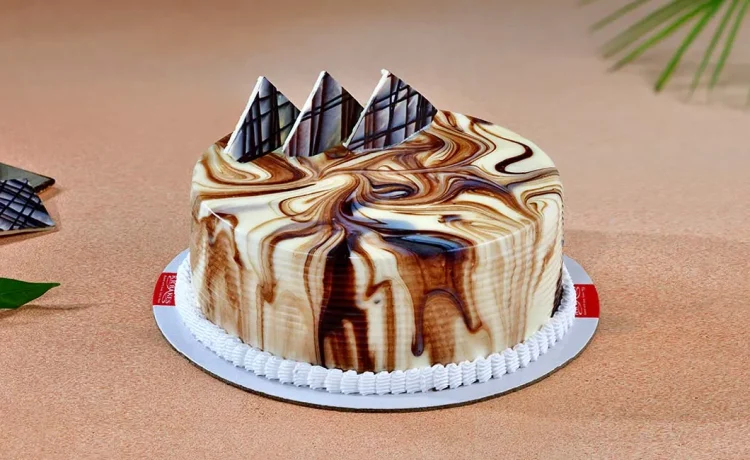
A birthday celebration centers around a singular, delicious focal point: the cake. Beyond being a sweet treat, the birthday cake serves as the centerpiece of the party, a reflection of the guest of honor’s personality, and the backdrop for memorable photographs. Selecting the perfect birthday cake requires balancing aesthetics, flavor profiles, dietary restrictions, and logistics. This comprehensive guide walks you through every step of the decision-making process to ensure your chosen confection is an absolute crowd-pleaser.
Understanding the Guest of Honor
The primary inspiration for any birthday cake must be the individual celebrating the milestone. Their age, preferences, and personal style dictate the direction of the entire design.
Age-Appropriate Designs and Flavors
Children and adults view birthday cakes through vastly different lenses. For toddlers and young children, vibrant colors, familiar characters, and interactive elements like candy-filled “pinata” centers create immense excitement. Flavor preferences for younger demographics generally lean toward classic, recognizable options like vanilla, milk chocolate, or funfetti.
Adult milestones, such as a 30th, 50th, or 80th birthday, call for a different approach. While themed cakes are still incredibly popular for adults, the execution often leans toward sophisticated elegance, nostalgic retro designs, or sleek minimalism. Flavor palettes can also expand to include complex combinations like dark chocolate espresso, lemon lavender, or salted caramel infused with bourbon.
Interests, Hobbies, and Themes
A truly memorable cake tells a story about the person it celebrates. Consider their everyday passions when brainstorming design concepts.
-
The Sports Enthusiast: A cake shaped like a stadium, a detailed jersey, or a favorite piece of athletic gear.
-
The Avid Reader: A stacked structure resembling a vintage pile of leather-bound novels.
-
The Nature Lover: Earthy textures, edible moss, pressed buttercream flowers, or a rustic woodland aesthetic.
-
The Minimalist: Clean geometric lines, single-toned monochrome frosting, or a sleek metallic leaf accent.
Establishing Budget and Guest Count
Before diving deep into elaborate design concepts, you must establish practical boundaries based on your guest list and financial plan.
Sizing the Cake Accurately
Ordering too much cake leads to wasteful leftovers, while running out mid-party is a host’s nightmare. Bakers calculate cake sizes based on two types of portions: wedding slices and party slices. Wedding slices are typically smaller, measuring 1 inch by 2 inches. Party slices are more generous, measuring roughly 2 inches by 2 inches. For a birthday celebration, always calculate based on party slices.
-
Round Cakes: A standard 6-inch round cake serves roughly 8 to 10 people. An 8-inch cake serves 15 to 20, while a 10-inch cake accommodates 30 to 35 guests.
-
Sheet Cakes: Ideal for large gatherings, a quarter-sheet cake serves up to 25 people, a half-sheet serves 50, and a full sheet cake can easily feed 100 guests.
-
Tiered Cakes: Combining multiple sizes allows you to achieve visual height while hitting precise serving numbers. For instance, stacking a 6-inch cake on top of an 8-inch cake yields approximately 30 servings.
Balancing Cost and Complexity
The cost of a custom birthday cake is determined by two main factors: ingredients and labor. A simple buttercream cake with minimal piping will naturally be more budget-friendly than a multi-tiered fondant sculpture that requires hours of meticulous hand-crafting.
If you want a high-end look on a modest budget, consider ordering a simple, beautifully frosted cake from a local bakery and elevating it yourself. You can add fresh, food-safe flowers, custom acrylic toppers, or a vibrant assortment of fresh berries right before serving.
Selecting Flavor Combinations and Textures
The visual appearance of a cake creates the initial impression, but the flavor determines its ultimate success. The perfect cake achieves harmony between the sponge, the filling, and the outer frosting.
The Foundation: Choosing the Sponge
The cake sponge provides the structural integrity and the baseline flavor.
-
Vanilla Bean or Yellow Sponge: Versatile, light, and universally loved. It pairs beautifully with almost any filling.
-
Rich Chocolate or Devil’s Food: Deep, decadent, and moist. Ideal for chocolate lovers and pairs excellently with berries or peanut butter.
-
Red Velvet: A subtle cocoa flavor with a distinct tang, traditional for milestone events.
-
Citrus or Fruit-Infused: Lemon, lime, or orange sponges offer a refreshing, bright contrast to heavy meals.
The Core: Selecting the Filling
The filling adds moisture and introduces a contrasting texture to the soft sponge.
-
Fruit Compotes and Jams: Raspberry, strawberry, or passionfruit fillings cut through rich frosting with a welcomed acidity.
-
Ganache and Mousse: Chocolate ganache provides a dense, luxurious bite, while a chocolate or white chocolate mousse keeps the layers light and airy.
-
Pastry Cream or Curds: Tangy lemon curd or rich vanilla pastry cream adds a gourmet, silky layer to the interior.
The Exterior: Buttercream vs Fondant
The outer coating serves as both a flavor element and a canvas for decoration. Your choice here heavily impacts the overall look and taste.
-
American Buttercream: Made from butter and powdered sugar. It is sweet, creamy, and forms a slight crust.
-
Swiss or Italian Meringue Buttercream: Made by whipping egg whites and hot sugar syrup before adding butter. It is significantly less sweet, incredibly silky, and boasts a beautiful natural sheen.
-
Fondant: A pliable sugar paste rolled out and draped over a buttercream-coated cake. It creates a flawlessly smooth, porcelain-like finish and allows for intricate sculpting. However, many guests find the texture overly chewy and prefer to peel it off before eating.
Navigating Dietary Restrictions and Allergies
Modern hosting requires careful consideration of dietary needs to ensure every guest can safely participate in the celebration. When sending out invitations, explicitly ask guests to note any severe allergies or dietary lifestyles.
Common Adaptations
-
Gluten-Free: Utilizing alternative flours like almond, coconut, or specialized gluten-free baking blends. Many high-end bakeries now offer gluten-free options that are virtually indistinguishable from traditional wheat sponges.
-
Dairy-Free and Vegan: Substituting traditional butter with plant-based oils or vegan butter alternatives, and replacing eggs with applesauce, flax meals, or aquafaba.
-
Nut-Free Facilities: If a guest has a severe peanut or tree nut allergy, sourcing the cake from a dedicated nut-free bakery is vital to eliminate cross-contamination risks.
Logistics, Delivery, and Presentation
Even the most beautiful cake can be ruined by poor transport or incorrect storage temperatures. Proper planning guarantees the cake arrives at the party looking exactly as intended.
Transportation and Storage
If you are picking up the cake yourself, never place it on a car seat, as seats tilt backward and can cause the cake to slide or lean. The safest place for a cake box is on a flat, level surface, such as the floorboards of the passenger side or the flat trunk space of an SUV. Ensure the vehicle air conditioning is running on high, especially during warm summer months.
Most custom cakes need to be stored in the refrigerator to keep the structure stable, particularly if they contain dairy fillings or fresh fruit. However, serving a cold cake mutes the flavors and alters the texture of the buttercream. Remove the cake from the refrigerator approximately one to two hours before serving to let it come to room temperature.
Frequently Asked Questions
How far in advance should I place an order for a custom birthday cake?
For standard bakery designs, ordering one to two weeks in advance is usually sufficient. However, for highly customized designs, intricate fondant work, or major milestone birthdays falling during peak wedding season, it is best to book your baker two to three months ahead of time.
Can I use fresh flowers from a local florist to decorate my birthday cake?
You must exercise extreme caution when using fresh flowers. Many common garden flowers, such as hydrangeas and lilies, are toxic if ingested. Additionally, commercially grown flowers are often treated with chemical pesticides. Always ensure your florist or baker uses certified organic, food-safe, non-toxic varieties, and wrap the stems in floral tape or use plastic cake spikes before inserting them into the cake.
What is the best way to cut a round cake to maximize the number of servings?
Instead of cutting traditional wedge-shaped slices, cut the round cake into concentric circles or straight parallel rows. For a large round cake, cut a straight line down the cake about two inches from the edge, then slice across that section to create neat, rectangular party portions. Repeat this process across the remainder of the cake.
How do I prevent a tiered cake from collapsing during transit?
Professional bakers use an internal support system consisting of hidden dowels or thick plastic straws pushed vertically into the bottom layers of the cake. A sturdy cardboard or plastic cake board rests on top of these dowels to support the weight of the upper tier. Without this internal skeleton, the weight of the top cake will crush the bottom layer.
How long will leftover birthday cake stay fresh, and how should it be stored?
Leftover cake will keep well for three to four days if properly stored. To prevent the exposed sponge from drying out, press a piece of plastic wrap or wax paper directly against the cut surfaces before placing the cake in an airtight container in the refrigerator.
Is it possible to freeze leftover birthday cake for a later date?
Yes, cake freezes remarkably well. Wrap individual slices tightly in two layers of plastic wrap, followed by a layer of aluminum foil to prevent freezer burn. When you are ready to eat it, transfer the wrapped slices to the refrigerator overnight to thaw slowly, then bring them to room temperature before enjoying.
What is the difference between whipped cream frosting and buttercream?
Whipped cream frosting is made from heavy whipping sugar and sugar, resulting in a very light, airy, and less sweet topping. However, it is highly unstable, melts quickly at room temperature, and cannot support heavy decorations. Buttercream is denser, sweeter, much more structurally sound, and can hold complex piping and heavy decorations for hours.


