Fat loss and muscle gain are two common fitness goals, but they require more than exercise alone. Training creates the stimulus, while food provides the fuel and materials the body needs to change. Without suitable nutrition habits, even a well designed workout plan can produce limited results.
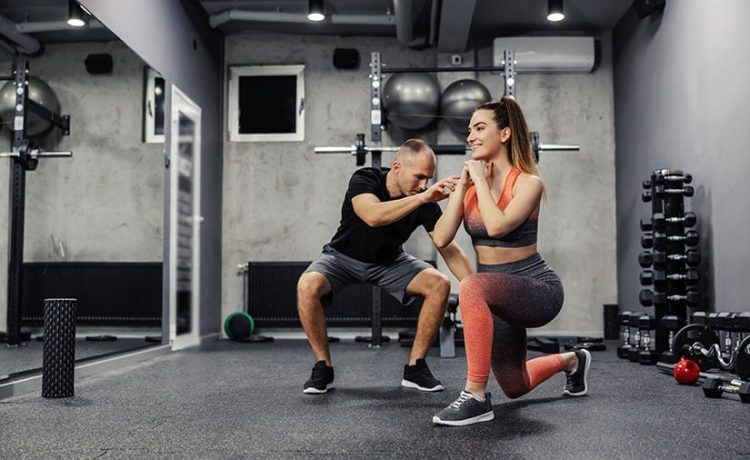
For clients working with a personal fitness trainer singapore, food choices should support the training goal. This does not mean extreme dieting or complicated meal plans. It means eating in a way that supports energy, recovery, muscle repair and realistic consistency.
Fat loss requires more than calorie burning
Many people think fat loss is only about burning calories during workouts. Exercise helps, but food intake plays a major role. If calorie intake remains too high, fat loss may be slow even with regular training.
A trainer led programme can help build exercise consistency, but clients also need awareness around portions, meal quality and daily habits. This does not mean starving the body. It means creating a sustainable calorie balance while maintaining enough energy to train.
The best fat loss approach protects health and performance, not just scale weight.
Protein supports both fat loss and muscle gain
Protein is one of the most important nutrients for body composition goals. It helps repair muscle after training and supports satiety during fat loss. For muscle gain, protein provides the building blocks for growth.
Good protein sources include eggs, chicken, fish, tofu, tempeh, Greek yoghurt, beans, lean meats and protein rich dairy. Protein should be spread across meals rather than eaten only at dinner.
Clients who struggle with hunger during fat loss often improve when they include enough protein.
Carbohydrates are not the enemy
Carbohydrates are often blamed for weight gain, but they are also an important energy source for training. Strength workouts, cardio and high intensity sessions all use carbohydrates.
The key is choosing appropriate portions and timing. Rice, oats, potatoes, whole grains, fruit and noodles can all fit a fitness plan depending on the goal and activity level.
For muscle gain, carbohydrates help support training performance. For fat loss, portions may need to be managed, but they do not need to disappear completely.
Healthy fats support overall function
Fats support hormones, brain function and satiety. They are calorie dense, so portions matter, but they should not be removed entirely.
Sources such as nuts, seeds, avocado, olive oil, eggs and fatty fish can support a balanced diet. The goal is moderation.
A sustainable eating plan includes all major nutrients in appropriate amounts.
Meal timing can improve training quality
Food timing matters for energy and recovery. A client who trains after work may need a snack before the session. A client training early in the morning may need a proper post workout breakfast. Someone training intensely may need both pre and post workout planning.
Meal timing should fit the client’s schedule. The goal is to avoid training while under-fuelled or recovering poorly after sessions.
Good timing can make workouts feel stronger and recovery smoother.
Singapore food culture can fit fitness goals
Clients do not need to avoid all local food to reach fat loss or muscle gain goals. The challenge is making smarter choices consistently.
At hawker centres, clients can look for lean protein, soups, vegetables and balanced portions. They can reduce sugary drinks, limit fried sides and avoid overeating late at night.
A professional training environment such as True Fitness Singapore can support the exercise side of the goal, while practical food habits support results outside the gym.
Muscle gain requires enough food
Some clients want to gain muscle but eat too little. Muscle growth requires training stimulus, protein and enough overall energy. If the body is under-fuelled, gaining muscle becomes difficult.
A trainer may encourage clients to increase meal quality and consistency. This may include more protein, balanced carbohydrates and enough total calories.
Muscle gain should still be controlled. The goal is to support lean mass, not simply overeat.
Fat loss should protect muscle
During fat loss, the goal should not be only to weigh less. Preserving muscle is important for metabolism, strength and appearance. Strength training and protein intake help protect muscle while body fat reduces.
Extreme diets may cause quick scale drops, but they can also reduce energy and muscle mass. A trainer led plan should support gradual and sustainable change.
This approach may feel slower, but it is usually healthier and easier to maintain.
FAQ
I am training regularly but not losing fat. Should I do more cardio or change my food first?
Review food habits first, especially portions, snacks, drinks and weekend eating. More cardio can help, but fat loss usually requires nutrition awareness as well.
I want to gain muscle but feel full quickly. What food choices can help?
Choose calorie and protein rich foods that are easy to eat, such as eggs, yoghurt, smoothies, rice bowls, nut butters and balanced meals with protein and carbohydrates.
Can I still eat rice if I want fat loss?
Yes. Rice can fit a fat loss plan if portions are managed and meals include protein and vegetables. The issue is usually total intake, not rice alone.
I eat out most days. Can trainer led goals still work?
Yes. Focus on repeatable choices, protein at each meal, fewer sugary drinks and better portion control. Eating out does not prevent progress if choices are consistent.
Conclusion
Food choices play a major role in trainer led fat loss and muscle gain goals. Training provides the stimulus, but nutrition supports energy, recovery and body composition change.
For clients in Singapore, the best approach is practical and sustainable. With structured training and smart food habits, fat loss and muscle gain become more achievable and easier to maintain.