Royal icing decorations have long been admired for their elegance and versatility in the world of baking. Known for their crisp finish and ability to hold intricate designs, they have become the preferred choice for both professional decorators and passionate home bakers. Beyond their aesthetic appeal, these decorations bring texture, creativity, and a sense of craftsmanship to cookies, cakes, and confections. Understanding how to work with royal icing opens the door to endless possibilities, from classic borders and flowers to modern designs tailored for special occasions.
Understanding the Appeal of Royal Icing
The unique qualities of royal icing set it apart from other types of frostings or glazes. Its smooth consistency allows decorators to create sharp lines, detailed piping, and delicate patterns that would be difficult to achieve with buttercream or fondant. When dried, royal icing decorations harden into a firm finish that can be prepared in advance and stored until needed, making them a practical choice for busy bakers. This durability also means designs remain intact during transport, which is especially important for wedding cakes, custom cookies, and large-scale events.
Another appealing factor is the versatility of royal icing. Its consistency can be adjusted depending on the intended design. A thicker mixture is ideal for piping flowers, borders, or lettering, while a thinner consistency creates the perfect medium for flooding cookies with smooth, glossy surfaces. With practice, decorators learn to control the icing’s thickness to achieve professional-looking results. The adaptability of royal icing makes it equally useful for simple decorations and complex, multi-layered designs.
Flavor is often a concern with decorative elements, but royal icing balances appearance with taste. Traditionally made with powdered sugar, egg whites, and a touch of lemon juice or extract, it offers a subtle sweetness that complements rather than overwhelms baked goods. This delicate balance ensures that the decorations enhance the dessert without detracting from its flavor profile.
Techniques for Creating Stunning Designs
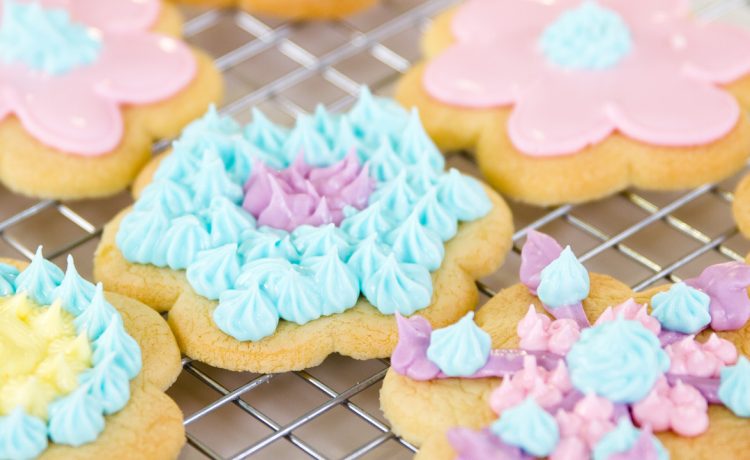
Mastering royal icing decorations requires patience and an understanding of basic techniques. Piping is the foundation of many designs, relying on steady hands and precision. With the right piping tips, decorators can create dots, scrolls, flowers, and lace-like patterns that elevate the simplest baked items into edible art. The drying process plays a crucial role, as allowing layers to set before adding new details ensures cleaner lines and prevents colors from blending unintentionally.
Flooding is another essential technique, often used for cookies. After outlining a shape with a thicker icing to create a barrier, a thinner icing is spread within the lines to create a smooth surface. Once dried, this base can be decorated with additional piping, painted designs, or even metallic accents. The smooth finish of flooded royal icing has made it popular for seasonal cookies, from holiday treats to custom-made party favors.
Dimensional decorations, such as flowers, leaves, or bows, can be created separately on parchment or wax paper. Once dried, these pieces can be stored and later transferred onto cakes or cookies. This method allows decorators to prepare intricate designs ahead of time, reducing stress when assembling final desserts. Because royal icing decorations harden completely, they can even be kept for extended periods, serving as ready-to-use accents whenever needed.
Coloring techniques further expand the possibilities. Gel-based food coloring is preferred for royal icing, as it provides vibrant hues without altering the consistency. Some decorators also use edible dusts or paints to add shimmer and depth. By experimenting with different shades and finishes, bakers can create royal icing decorations that suit any theme or occasion, from elegant weddings to whimsical birthday parties.
Practical Tips for Working with Royal Icing
Success with royal icing depends on preparation and practice. The right consistency is the most critical factor. Too thick, and the icing will be difficult to pipe smoothly; too thin, and it will spread uncontrollably. Many decorators recommend testing small batches before applying designs to ensure the icing behaves as expected. Humidity can also affect the drying process, so controlling the environment or allowing extra drying time is important in certain climates.
Storage is another practical consideration. Once prepared, royal icing decorations must be kept in airtight containers to avoid exposure to moisture, which can soften them. When stored properly, they can last for weeks or even months, making them a convenient choice for decorators who want to prepare elements in advance. For bakers who frequently create themed cookies or cakes, having a stock of pre-made flowers, borders, or lettering can save valuable time.
Creative Uses Beyond Cakes and Cookies
While royal icing decorations are most commonly associated with cookies and cakes, their uses extend beyond traditional desserts. They can be applied to gingerbread houses, creating intricate windows, fences, or roof tiles that add charm and structure. Cupcakes can be elevated with delicate flowers or monograms made of royal icing, turning everyday treats into personalized gifts. Some decorators even use royal icing to create edible ornaments or standalone pieces for display, showcasing the artistry of sugar work.
In addition, royal icing serves as an adhesive for assembling edible structures. Its strength once dried makes it ideal for bonding gingerbread or other firm baked components. This practical application highlights its dual role as both decorative and functional, which explains why it has remained a staple in baking traditions for centuries.